Boiler Welding: What It Is, Why It Matters, and How It’s Done Right
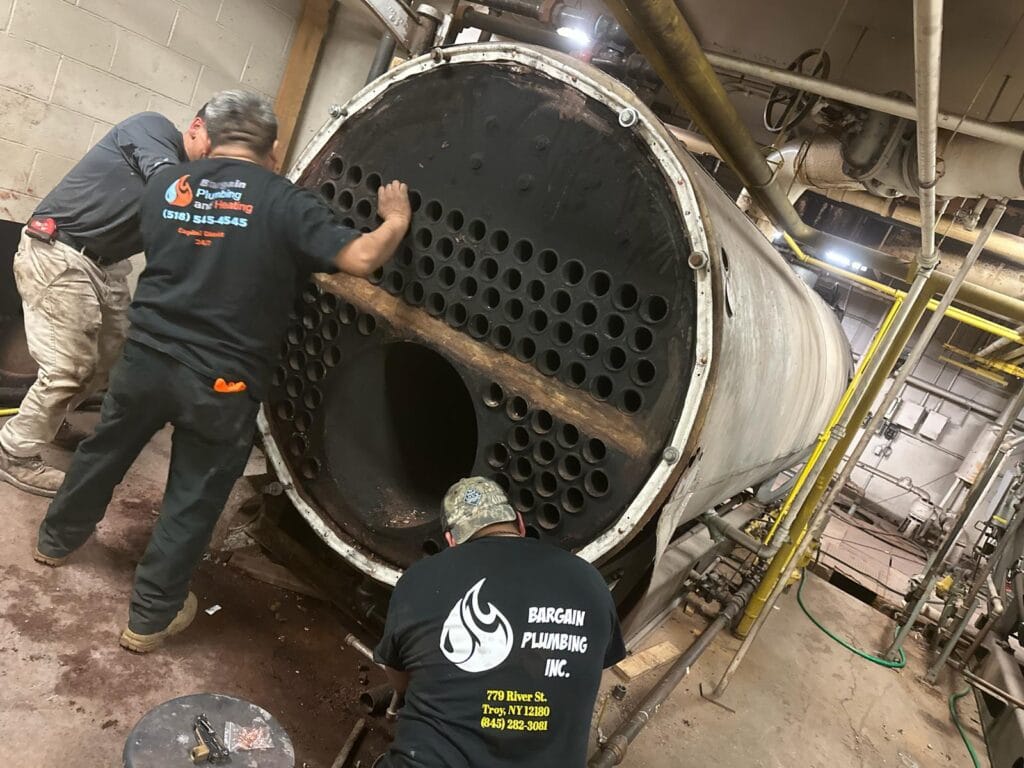
When it comes to heating systems, boilers are the backbone of comfort and efficiency in both residential and commercial properties. But behind every reliable boiler is a critical process that often goes unnoticed—boiler welding. Whether you’re installing a new system, repairing an existing one, or ensuring long-term safety, proper welding plays a major role in performance and durability.
What Is Boiler Welding?
Boiler welding is the process of joining metal components within a boiler system using high heat and specialized techniques. These welds are responsible for sealing pipes, pressure vessels, and structural elements that must withstand extreme temperatures and pressures.
Unlike standard welding jobs, boiler welding requires precision, experience, and strict adherence to safety codes. Even a minor flaw can lead to leaks, reduced efficiency, or in worst cases, system failure.
Why Boiler Welding Is So Important
Boilers operate under intense conditions—high pressure, constant temperature fluctuations, and continuous use. That means the welds holding everything together must be exceptionally strong and reliable.
Here’s why professional boiler welding is essential:
- Safety First: Poor welds can crack or fail, leading to dangerous leaks or pressure issues.
- Energy Efficiency: Properly sealed systems prevent heat loss and improve overall performance.
- Longevity: High-quality welding extends the life of your boiler system.
- Compliance: Certified welding ensures your system meets industry regulations and standards.
Common Boiler Welding Applications
Boiler welding is used in several key areas, including:
- Repairing cracks or leaks in boiler shells
- Replacing worn-out pipes and fittings
- Fabricating custom components
- Installing new boiler systems
- Reinforcing pressure vessels
Each of these tasks requires different welding techniques, depending on the materials and the specific job.
Types of Welding Used in Boilers
Professional boiler technicians typically use a range of welding methods, such as:
- TIG Welding (Tungsten Inert Gas) – Known for precision and clean finishes, ideal for thin materials.
- MIG Welding (Metal Inert Gas) – Faster and efficient for larger projects.
- Stick Welding (SMAW) – Durable and effective for heavy-duty repairs, especially in outdoor or industrial environments.
Choosing the right method ensures the weld can handle the demands of the system.
Signs Your Boiler May Need Welding Repairs
If your boiler system is showing any of the following signs, it might be time for a professional inspection:
- Unusual noises (banging or hissing)
- Visible leaks or moisture around the unit
- Drop in heating efficiency
- Rust or corrosion on pipes or joints
- Fluctuating pressure levels
Ignoring these issues can lead to more expensive repairs down the line—or even full system replacement.
Why Hire a Professional?
Boiler welding isn’t a DIY job. It requires certified technicians who understand pressure systems, materials, and safety standards. At Bargain Plumbing & Heating, we ensure all welding work is carried out by experienced professionals who prioritize quality and safety.
Final Thoughts
Boiler welding might not be something homeowners think about often, but it’s a critical part of keeping your heating system running safely and efficiently. Whether you’re dealing with repairs or installing a new system, investing in expert welding services can save you time, money, and stress in the long run.
If you suspect your boiler needs attention or want to learn more about our services, don’t hesitate to contact Bargain Plumbing & Heating—we’re here to help keep your home warm and safe all year round.
Leave a Reply
You must be logged in to post a comment.